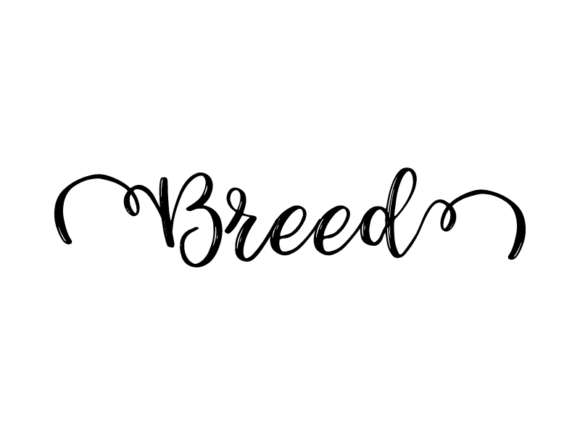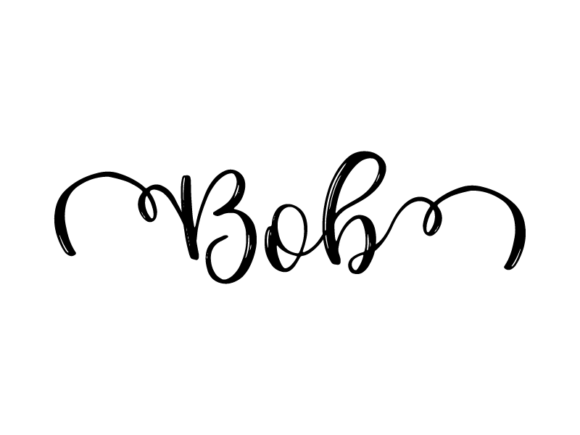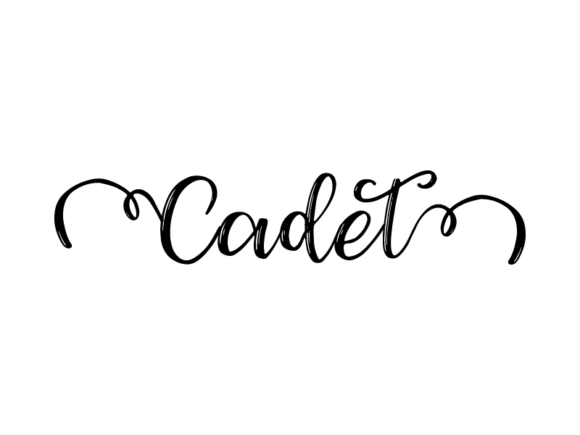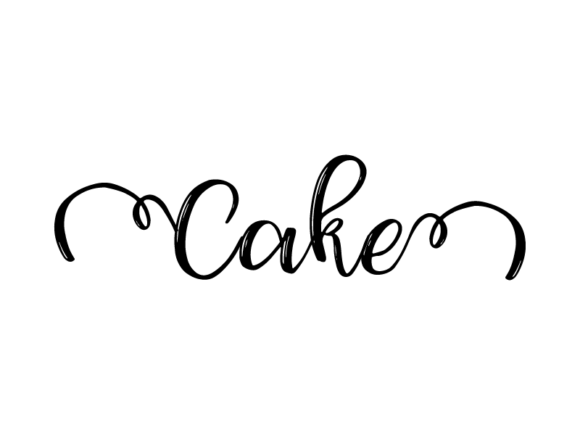
Discover the Art of Attic Lettering: A Versatile Tool for Creative Expression
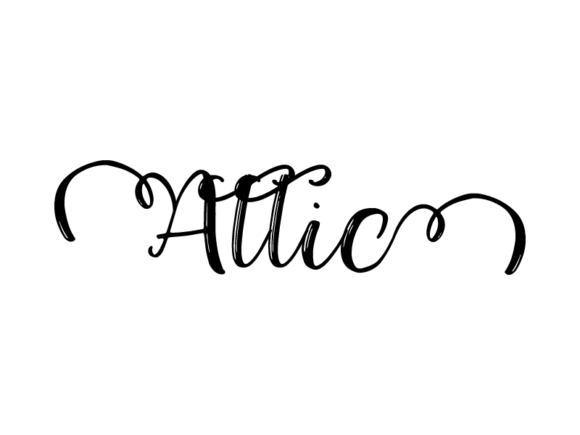
Attic Lettering is more than just a design trend—it’s a versatile and adaptable tool that empowers creators across various industries to bring their ideas to life. This unique concept combines the charm of hand-drawn vector monochrome graphic lettering with the flexibility of digital editing, making it an essential resource for anyone looking to enhance their creative projects. Whether you're designing promotional materials, crafting personalized gifts, or exploring new ways to express your artistic vision, Attic Lettering offers a blend of aesthetics and functionality that can elevate your work in countless ways.
The Essence of Attic Lettering
At its core, Attic Lettering is a style of typography that draws inspiration from vintage, handcrafted lettering found in old attics, libraries, and historical documents. It features intricate, flowing strokes and a sense of nostalgia that resonates with both designers and end-users. The monochrome nature of this lettering adds a timeless quality, allowing it to be easily adapted to different color schemes and backgrounds.
Unlike traditional fonts, which are often rigid in structure, Attic Lettering embraces imperfection and character. Each letter is meticulously hand-drawn, giving it a unique personality that sets it apart from mass-produced designs. This attention to detail makes it ideal for creating custom branding, logos, and other visual elements that require a personal touch.
Why Choose Attic Lettering?
One of the key advantages of using Attic Lettering is its adaptability. Because it is created as a vector format, it can be easily edited, resized, and recolored in software like Adobe Illustrator or any program that supports SVG files. This flexibility allows designers to experiment with different styles and applications without worrying about losing quality or resolution.
Additionally, the simplicity of the monochrome design means that it can be seamlessly integrated into a wide range of projects. From clothing tags and notebooks to posters and packaging, Attic Lettering provides a consistent aesthetic that can be tailored to suit any theme or purpose.
Another significant benefit is its accessibility. With the availability of cut files and downloadable templates, even those with limited design experience can incorporate Attic Lettering into their work. This democratization of design tools ensures that creativity is not confined to professionals alone—hobbyists, educators, and small business owners can all benefit from its versatility.
Applications Across Industries
Attic Lettering has found a home in numerous fields, each leveraging its unique qualities to create visually appealing and meaningful content. Here are some of the most common use cases:
- Crafting and DIY Projects: From handmade cards to custom stickers, Attic Lettering adds a personal and artistic flair to everyday items. It's perfect for scrapbooking, home décor, and textile design.
- Marketing and Branding: Businesses can use Attic Lettering to create eye-catching logos, branding materials, and promotional assets that stand out in a crowded market.
- Educational Tools: Teachers and educators can incorporate Attic Lettering into classroom activities, lesson plans, and interactive learning materials to engage students in a more tactile and visual way.
- Print and Digital Media: Whether it's for book covers, magazine layouts, or social media graphics, Attic Lettering offers a distinctive visual identity that enhances the overall design.
- Event Planning: Invitations, banners, and signage can be enhanced with Attic Lettering to create a cohesive and memorable event experience.
Its ability to blend tradition with modernity makes it a valuable asset in both physical and digital spaces. Whether you're designing a product for sale or creating something for personal use, Attic Lettering provides a foundation for creativity that is both functional and beautiful.
Getting Started with Attic Lettering
If you're new to Attic Lettering, the first step is to find high-quality cut files or vector templates that align with your project goals. These resources are often available on design marketplaces, creative websites, and community forums. Once you have your file, you can import it into Adobe Illustrator or another compatible software to begin customizing it.
Begin by resizing the lettering to fit your desired space. Since it's a vector format, there are no limitations on scaling, ensuring that your design remains crisp and clear at any size. You can also experiment with colors, adding gradients or subtle shading to give your text depth and dimension.
For those who prefer a more hands-on approach, you can print the lettering onto sticker paper or cardstock and use it for physical projects such as greeting cards, gift tags, or wall art. Alternatively, you can export the design as an SVG or PNG file and use it in web design, email marketing, or social media content.
Don’t hesitate to combine Attic Lettering with other design elements. Pair it with illustrations, patterns, or textures to create a more dynamic and layered look. The key is to maintain the integrity of the original style while allowing room for personal expression and innovation.
Considerations for Effective Use
While Attic Lettering offers many benefits, it’s important to consider how it fits within your specific project. Here are a few key factors to keep in mind:
- Readability: Ensure that the lettering remains legible, especially if it will be used for informational purposes. Avoid overly stylized designs that may obscure the message.
- Consistency: Maintain a cohesive style throughout your design to create a unified and professional appearance.
- Customization: Take advantage of the editable nature of vector files to tailor the lettering to your brand or project needs.
- Context: Consider the environment in which your design will be used. For example, a decorative tag may not be suitable for a business card, but could work well for a product label.
- Accessibility: If your design will be used in digital formats, ensure that it is accessible to users with visual impairments by providing alternative text or contrasting colors.
By thoughtfully applying these considerations, you can maximize the impact of your Attic Lettering projects and ensure they resonate with your intended audience.
Conclusion
Attic Lettering represents a powerful intersection of artistry and utility, offering a unique way to express creativity while maintaining practicality. Its adaptability, aesthetic appeal, and ease of customization make it an invaluable tool for designers, educators, entrepreneurs, and hobbyists alike. Whether you're crafting a single item or developing a full brand identity, Attic Lettering provides the foundation for a visually compelling and emotionally engaging experience.