Bidet Lettering: A Versatile Tool for Creative and Practical Design
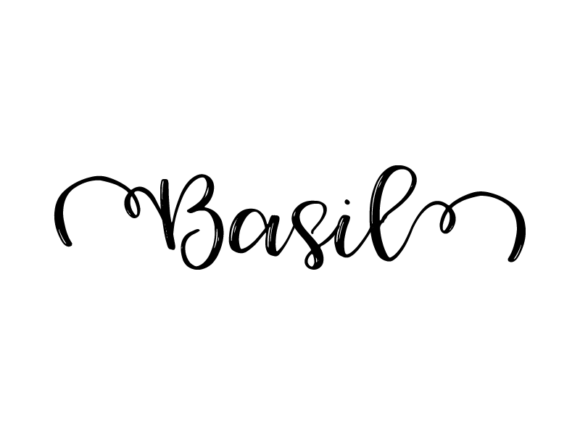
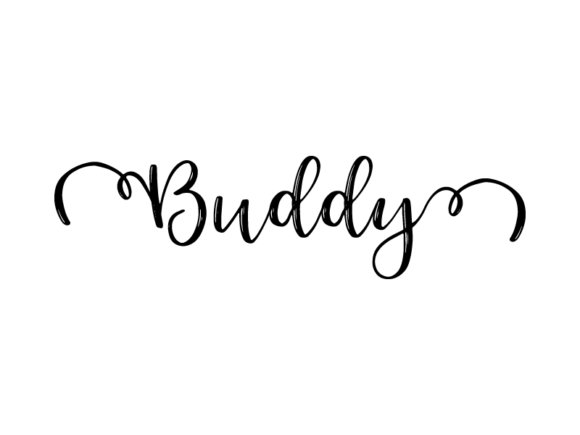
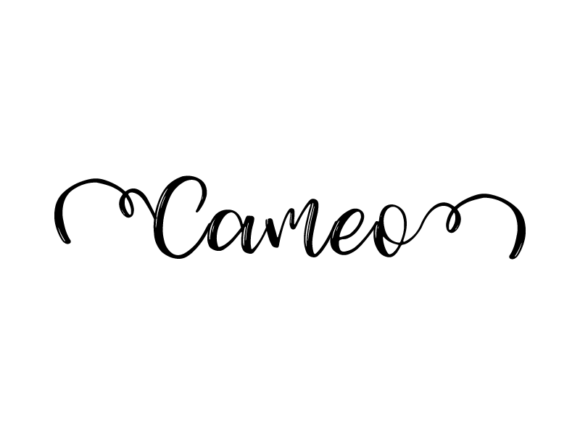
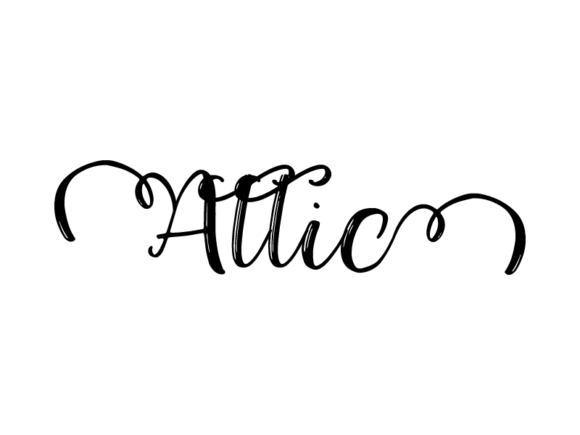
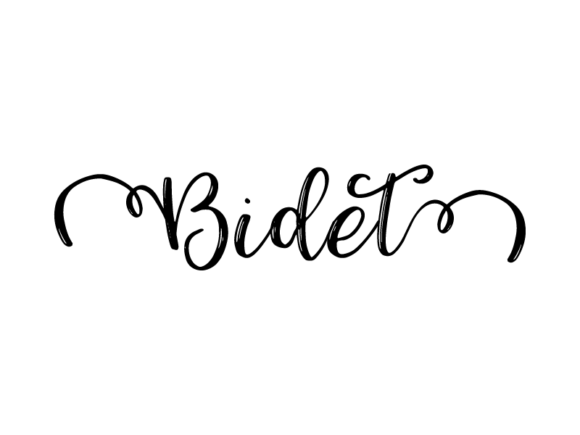
Bidet Lettering is a unique form of hand-drawn vector monochrome graphic lettering that offers endless possibilities for creative expression and practical application. Unlike traditional typography, Bidet Lettering brings a personal touch to design through its organic, handcrafted style. This type of lettering can be used to decorate a wide range of products including clothes, posters, pillows, cups, tags, notebooks, and more. Its adaptability makes it an ideal choice for designers, educators, entrepreneurs, and hobbyists looking to add a distinctive visual element to their projects.
Understanding the Concept
Bidet Lettering is not just about aesthetics—it's about functionality and flexibility. It’s designed to be easily edited, resized, and recolored using Adobe Illustrator or any other software that supports SVG files. This means you can tailor the lettering to fit your specific needs without losing quality or detail. The monochrome nature of the design allows for easy integration into various color schemes and backgrounds, making it a versatile asset in any creative workflow.
Where Does Bidet Lettering Fit?
Bidet Lettering fits seamlessly into a variety of creative processes. Whether you're working on a classroom activity, designing promotional materials, or creating personalized gifts, this lettering format can enhance the visual appeal of your project. It serves as both a decorative element and a functional tool, allowing for customization at every stage of the design process.
For instance, when designing a poster for an event, Bidet Lettering can be used to create eye-catching headlines or branding elements. Similarly, in educational settings, it can be incorporated into lesson plans or interactive activities to make learning more engaging and visually stimulating.
Integration with Other Tools and Resources
The true power of Bidet Lettering lies in its compatibility with other design tools and resources. As a vector format, it can be easily imported into Adobe Illustrator, Inkscape, or even web-based design platforms like Canva. This versatility ensures that it can be used across different mediums, from print to digital.
When integrating Bidet Lettering into your workflow, consider how it interacts with other assets such as images, logos, and text. For example, combining Bidet Lettering with a custom logo can help reinforce brand identity while maintaining a cohesive visual style. Additionally, pairing it with background graphics or textures can elevate the overall design and create a more dynamic composition.
Practical Implementation Tips
To get the most out of Bidet Lettering, it's important to approach it with a clear plan and purpose. Here are some practical tips to help you implement it effectively:
- Start with a clear vision: Define the purpose of your design and how Bidet Lettering will contribute to it. Will it be used for branding, marketing, or personal use? Knowing your goal helps guide the creative process.
- Choose the right font: Select a Bidet Lettering style that aligns with your project’s tone and message. Some styles are more playful, while others are elegant or bold.
- Test scalability: Ensure that the lettering looks good at different sizes and resolutions. This is especially important if you're planning to use it in print or digital formats.
- Experiment with colors: While Bidet Lettering is typically monochrome, you can experiment with different color combinations to match your design theme.
- Organize your files: Keep your design assets organized so you can easily access and reuse them in future projects.
Use Cases Across Industries
Bidet Lettering is not limited to a single industry or application. It can be adapted to suit a wide range of use cases, from small business branding to large-scale advertising campaigns. Here are a few examples:
Classroom Activities: Teachers can use Bidet Lettering to create engaging flashcards, worksheets, or classroom decorations that encourage creativity and learning.
Promotions and Invitations: Businesses can incorporate Bidet Lettering into event invitations, product packaging, and promotional materials to stand out in a crowded market.
Printables and Stationery: Designers can create custom stationery, greeting cards, and notebooks featuring Bidet Lettering to offer a unique and personalized experience to customers.
Web and Social Media: Bidet Lettering can be used in website headers, social media posts, and email templates to create a consistent and memorable brand presence.
Workflow Examples
Let’s walk through a simple workflow that demonstrates how Bidet Lettering can be integrated into a real-world project:
- Define the project: You’re designing a set of promotional flyers for a local art gallery opening.
- Select the lettering style: Choose a Bidet Lettering style that reflects the artistic and creative nature of the event.
- Design the layout: Use the lettering to create the main headline and supporting text. Add relevant imagery and background elements to enhance the visual impact.
- Export and finalize: Export the design in high-resolution format for print and ensure it’s optimized for digital use as well.
- Distribute the materials: Print and distribute the flyers, and share the digital version on social media and the gallery’s website.
This workflow highlights how Bidet Lettering can be used to create a cohesive and impactful design that aligns with the project’s goals.
Factors to Consider
When incorporating Bidet Lettering into your design process, there are several factors to keep in mind:
- Preparation: Ensure that you have all the necessary tools and resources before starting a project. This includes having the correct software, file formats, and design assets.
- Compatibility: Verify that the Bidet Lettering file you’re using is compatible with your design software. If not, convert it to a supported format like SVG or PNG.
- Usability: Test the lettering in different contexts to ensure it remains legible and visually appealing. This is particularly important for digital use where screen resolution can vary.
- Organization: Maintain a well-organized file structure to make it easier to locate and reuse design elements in future projects.
- Efficiency: Streamline your workflow by using templates and pre-designed elements to save time and maintain consistency.
- Consistency: Apply the same design principles across all projects to build a strong and recognizable brand identity.
- Quality Control: Always review your final output for clarity, accuracy, and visual appeal before sharing or printing.
- Long-term Use: Consider how the design will be used over time. Will it need to be updated or modified in the future? Plan accordingly to ensure long-term relevance.
Conclusion
Bidet Lettering is more than just a design element—it’s a powerful tool that can enhance your creative process and deliver meaningful results. Whether you're a professional designer, educator, or hobbyist, integrating Bidet Lettering into your workflow can help you create more engaging, personalized, and effective designs. By understanding its potential and applying it thoughtfully, you can unlock new levels of creativity and efficiency in your work.