Brand Lettering: The Art of Creating Versatile, Eye-Catching Designs
Brand lettering is more than just a design trend—it's a powerful tool that can elevate your creative projects and business branding. Whether you're a designer, educator, or small business owner, understanding how to use brand lettering effectively can help you create visually appealing and functional graphics for a wide range of applications.
What Is Brand Lettering?
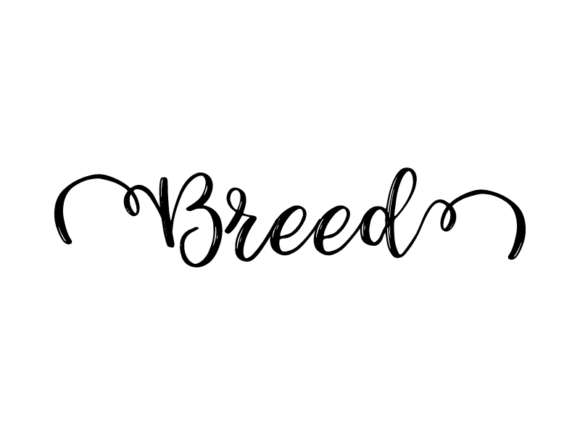
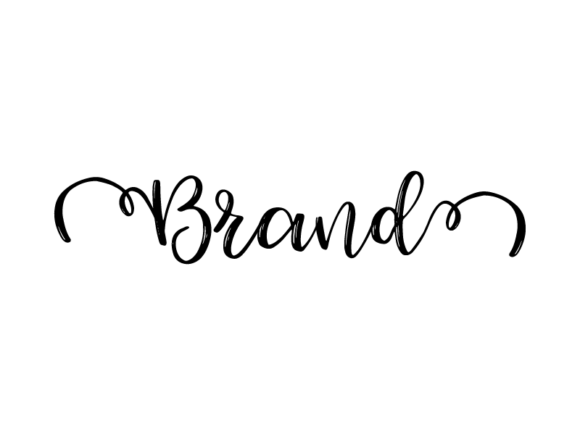
Brand lettering refers to the practice of designing custom, stylized text that represents a brand, product, or concept. Unlike standard fonts, brand lettering is often hand-drawn or vector-based, allowing for greater customization and adaptability. It’s typically created in monochrome (black and white) or with limited color palettes, making it ideal for both digital and print use.
This type of lettering is especially popular among creatives who want to add a unique touch to their work. It can be used as a logo, signage, or decorative element across various mediums, from clothing to packaging. Because it's usually designed in vector format, it’s easy to edit, resize, and recolor using software like Adobe Illustrator or any program that supports SVG files.
Where Can You Use Brand Lettering?
The versatility of brand lettering makes it suitable for almost any project that requires a strong visual identity. Here are some common applications:
- Clothing and Accessories: Add a personalized touch to t-shirts, hoodies, tote bags, and even jewelry by incorporating custom lettering.
- Printables and Stationery: Create eye-catching tags, labels, stickers, and note cards that stand out on shelves or desks.
- Marketing Materials: Use brand lettering for posters, flyers, brochures, and banners to reinforce your brand message.
- Classroom and Educational Tools: Teachers can use this design style for classroom activities, invitations, and interactive learning materials.
- Home Décor and Textiles: Incorporate lettering into pillows, wall art, and fabric prints to add a personal or artistic flair.
- Digital Design: Brand lettering works well in web design, social media graphics, email templates, and UX/UI layouts.
Why Choose Brand Lettering Over Standard Fonts?
While standard fonts are functional and widely available, they lack the personality and uniqueness that brand lettering offers. Custom lettering allows you to create a distinct visual identity that aligns with your brand values or creative vision. This is particularly important for small businesses, startups, and independent creators looking to stand out in a competitive market.
Moreover, brand lettering can be adapted to suit different audiences and contexts. For example, a playful, whimsical style might work well for children’s products or educational materials, while a clean, minimalist approach could be more appropriate for corporate branding or professional settings.
Real-World Use Cases for Brand Lettering
Let’s explore some practical scenarios where brand lettering can make a difference:
1. Classroom Activities
Teachers often need engaging tools to keep students interested and motivated. Brand lettering can be used to create colorful, memorable flashcards, lesson plans, and interactive games. It helps reinforce learning through visual cues and adds an element of fun to the classroom environment.
2. Promotional Materials
For small business owners, brand lettering can be a game-changer when designing promotional items. Whether it’s a branded cup, a custom notebook, or a set of magnets, these items serve as walking advertisements for your brand. They also provide a tangible way to connect with customers on a personal level.
3. Event Invitations and Banners
When organizing events, the visual appeal of your invitation or banner can significantly impact attendance. Brand lettering allows you to create a cohesive look that reflects the event’s theme and tone. It’s especially useful for weddings, workshops, and community gatherings where a strong visual identity is essential.
4. Social Media and Digital Content
In the digital world, brand lettering can enhance your online presence. Use it to create eye-catching headers, social media posts, and email templates that reflect your brand’s personality. Consistency in design helps build trust and recognition among your audience.
What to Consider Before Using Brand Lettering
Before diving into brand lettering, there are several factors to consider:
- Intended Use: Determine whether the design will be used for print, digital, or both. This affects the file format and resolution required.
- Target Audience: Understand who will see or use the design. This influences the style, tone, and complexity of the lettering.
- Customization Options: Ensure the design is editable and scalable. Vector formats like SVG offer flexibility for future edits.
- Brand Alignment: Make sure the lettering reflects your brand’s values and identity. It should feel authentic and consistent across all platforms.
- Legal Considerations: Be aware of copyright and licensing issues, especially if using third-party designs or fonts.
By carefully considering these aspects, you can ensure that your brand lettering not only looks great but also serves its intended purpose effectively.
⬇️ Download FreeFree download · No sign-up required🔗 You Might Also Like
Print TemplatesHand drawn vector monochrome graphic lettering concept which helps you to decora...Print TemplatesHand drawn vector monochrome graphic lettering concept which helps you to decora...Print TemplatesHand drawn vector monochrome graphic lettering concept which helps you to decora...Print TemplatesHand drawn vector monochrome graphic lettering concept which helps you to decora...Print TemplatesHand drawn vector monochrome graphic lettering concept which helps you to decora...