Bread Lettering: A Strategic Tool for Creative and Practical Expression
Bread Lettering is a unique form of hand-drawn vector monochrome graphic lettering that offers versatility, simplicity, and artistic appeal. This style of lettering is not just about aesthetics—it's a powerful tool that can be strategically used across various creative and professional domains. Whether you're designing promotional materials, crafting personalized products, or enhancing branding efforts, Bread Lettering provides a flexible and impactful solution.
What Is Bread Lettering?
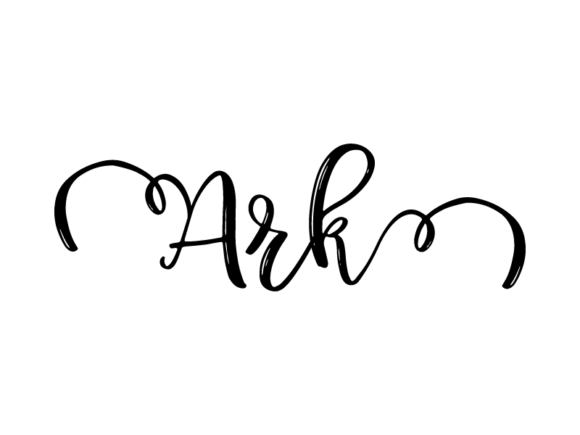
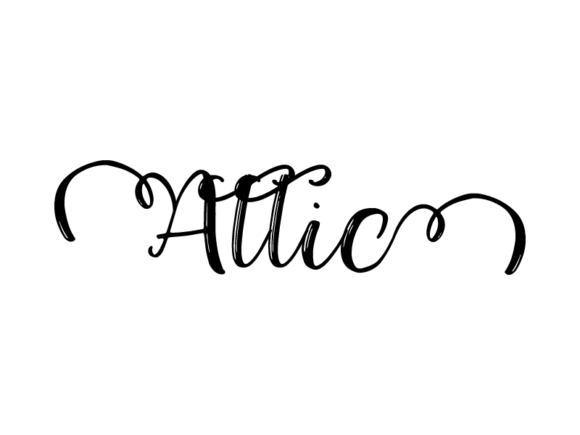
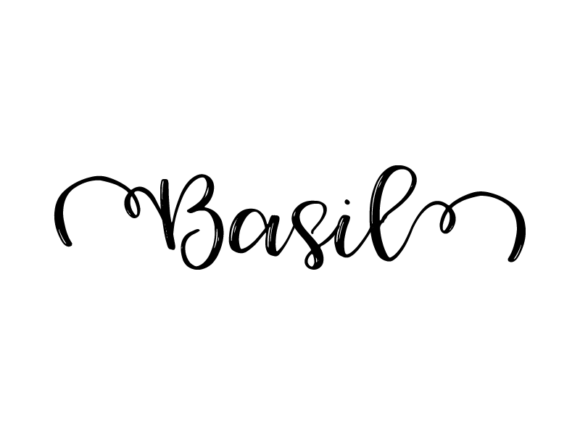
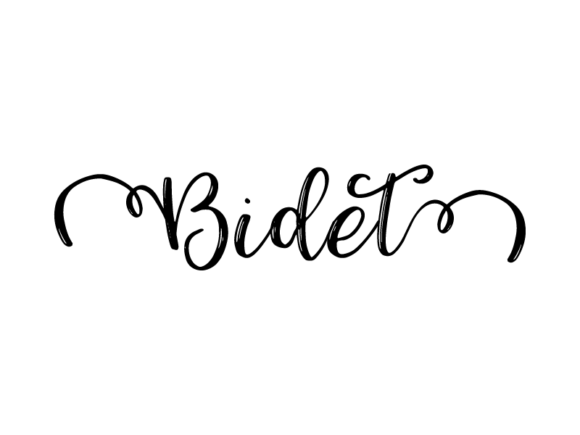
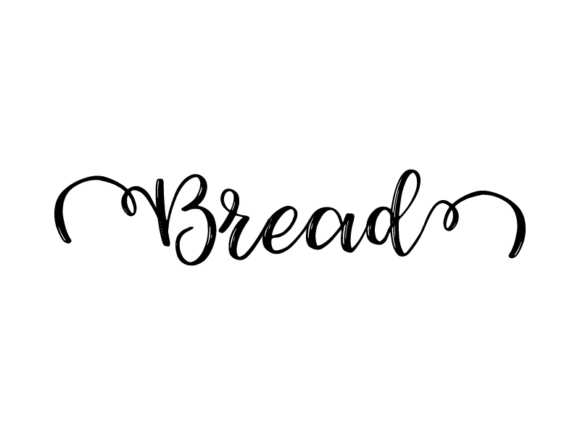
Bread Lettering is characterized by its clean, bold, and often slightly irregular strokes that mimic the texture and feel of bread. The design is typically monochrome, allowing for easy customization in terms of color, size, and placement. Unlike traditional fonts, Bread Lettering carries a handcrafted quality that adds warmth and personality to any project. It’s created using vector graphics, which means it can be easily edited, resized, and recolored in software like Adobe Illustrator or any program that supports SVG files.
This type of lettering is particularly popular among designers, educators, and small business owners who want to create visually engaging content without sacrificing quality or consistency. Its adaptability makes it ideal for use in a wide range of applications, from digital marketing to physical product design.
Why Use Bread Lettering Strategically?
The strategic value of Bread Lettering lies in its ability to enhance communication, creativity, and brand identity. When used thoughtfully, it can help convey messages more effectively while maintaining a cohesive visual language. For instance, in branding, Bread Lettering can reinforce a company’s personality—whether it's friendly, professional, or artistic—by aligning with the overall tone and aesthetic.
From a practical standpoint, this lettering style is also highly efficient. Because it’s based on vector graphics, it doesn’t lose quality when scaled up or down, making it suitable for both digital and print media. Additionally, since it’s monochrome, it allows for greater flexibility in color schemes, enabling users to match their designs with specific brand colors or campaign themes.
Where Can Bread Lettering Be Applied?
Bread Lettering is incredibly versatile and can be applied to a variety of projects. Here are some common use cases:
- Clothing and Textile Design: Add custom labels, tags, or logos to apparel, bags, and accessories.
- Print Media: Create eye-catching posters, flyers, brochures, and magazines.
- Digital Content: Use it for social media posts, email templates, and website headers.
- Education and Learning: Incorporate it into classroom activities, worksheets, and educational materials.
- Marketing and Promotions: Design event invitations, banners, and promotional items.
- Home Décor and Crafts: Customize pillows, wall art, and other home-related items.
- Branding and Advertising: Develop logos, branding assets, and packaging designs.
- Personal Projects: Use it for notebooks, journals, and DIY crafts.
Each of these applications benefits from the simplicity and adaptability of Bread Lettering, making it a valuable asset for creators and professionals alike.
How to Approach Bread Lettering Effectively
To get the most out of Bread Lettering, it’s important to approach it with intention and strategy. Here are some key considerations:
- Define Your Purpose: Before creating or using Bread Lettering, clearly define what you want to achieve. Are you looking to build brand recognition, communicate a message, or enhance user experience? Understanding your goals will guide your design choices.
- Consider Your Audience: Think about who will see or interact with your design. Bread Lettering can be tailored to suit different demographics and preferences. For example, a playful style may work well for children’s products, while a more formal look might be better suited for corporate branding.
- Plan for Scalability: Since Bread Lettering is vector-based, it can be easily scaled without losing quality. However, it’s still important to test how it looks at different sizes and resolutions, especially if you plan to use it across multiple platforms.
- Experiment with Color and Placement: While Bread Lettering is often monochrome, it can be enhanced with color to make it stand out. Experiment with different color combinations to find the best fit for your project.
- Use It Consistently: To build brand recognition, use Bread Lettering consistently across all your materials. This helps reinforce your brand identity and makes your content more recognizable to your audience.
By following these steps, you can ensure that your use of Bread Lettering is both effective and aligned with your broader objectives.
Risks of Using Bread Lettering Without Clear Goals
While Bread Lettering is a powerful tool, it can also be misused if not approached with clear goals and context. One of the main risks is using it randomly or without purpose. For example, applying Bread Lettering to every project without considering the message or audience can lead to a lack of focus and reduced impact.
Another risk is over-reliance on the style without diversifying your design approach. While Bread Lettering has its strengths, relying solely on it can limit your creative options and make your work less dynamic. It’s important to use it as one of many tools in your design toolkit rather than the only one.
Additionally, without proper planning, Bread Lettering can become inconsistent or unprofessional. For instance, using it inappropriately in a formal setting might come across as unrefined or unprofessional. Always consider the context and appropriateness of your design choices.
Strategic Observations and Decision-Making Guidance
When deciding whether to use Bread Lettering, ask yourself a few key questions:
- Does this design support my overall goals or message?
- Is the style appropriate for my target audience and platform?
- Will it enhance the user experience or distract from the content?
- Can I maintain consistency and quality across all uses?
- Am I using it intentionally or just for the sake of being trendy?
These questions can help you evaluate whether Bread Lettering is the right choice for your project and ensure that you’re using it in a way that adds value rather than detracts from it.
Conclusion
Bread Lettering is more than just a design trend—it’s a strategic and versatile tool that can be used to enhance communication, creativity, and branding. By understanding its strengths and limitations, and approaching it with intention, you can leverage this style to create meaningful and impactful designs across a wide range of applications.