Sešotho Typography: A Vibrant Tool for Creative Expression
Sesotho Typography, known for its rich cultural heritage and visual appeal, has become a favored choice among designers and artists seeking to infuse their work with authenticity and uniqueness. This form of typography is not just about letters; it's an art that tells stories through shapes and symbols. When combined with the beauty of a hand-drawn colorful wordcloud, the potential for creative expression expands exponentially. This article explores how these two elements can be harmoniously integrated into various design projects, offering both aesthetic value and practical utility.
The Essence of Sesotho Typography
Sesotho Typography is rooted in the Sesotho language, which is spoken by millions across southern Africa. It features unique characters and scripts that reflect the linguistic and cultural identity of the people. The typography often incorporates traditional symbols and motifs, making it a powerful medium for storytelling and cultural preservation. Its distinctiveness lies in its ability to convey meaning beyond mere words, creating a visual narrative that resonates with audiences on a deeper level.
When designing with Sesotho Typography, it's essential to consider the context in which it will be used. Whether it's for branding, marketing, or educational materials, the typography should align with the intended message and audience. For instance, using Sesotho Typography in a promotional poster can evoke a sense of pride and belonging among the local community, while also attracting attention through its visual appeal.
Integrating Wordclouds with Sesotho Typography
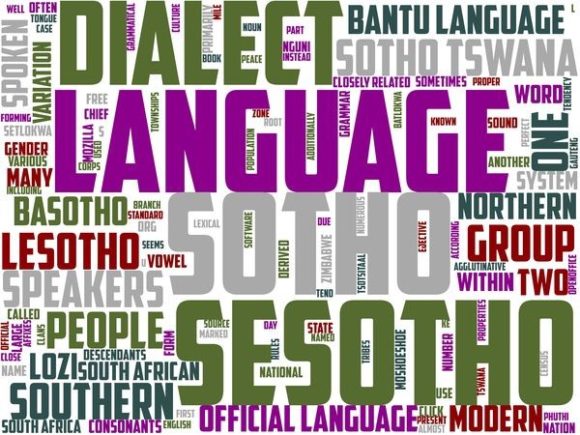
A hand-drawn colorful wordcloud is a versatile design element that can enhance any project. It serves as a visual representation of key themes or concepts, making it ideal for use in a variety of contexts. When paired with Sesotho Typography, the wordcloud becomes a dynamic canvas for creativity. The combination allows for the seamless integration of cultural elements with modern design practices, resulting in a product that is both informative and visually engaging.
Consider a scenario where a designer is creating a flyer for a cultural event. By incorporating a wordcloud featuring important keywords related to the event, such as "tradition," "community," and "celebration," alongside Sesotho Typography, the flyer can capture the essence of the occasion. This approach not only attracts attention but also communicates the significance of the event in a culturally relevant manner.
Applications Across Various Industries
The versatility of combining Sesotho Typography with a colorful wordcloud extends across multiple industries. From fashion to education, this design duo offers a range of applications that cater to diverse needs and preferences.
Fashion and Textile Design: In the world of fashion, designers are increasingly turning to unique typography to create eye-catching patterns and logos. A hand-drawn wordcloud can be transformed into a textile design, adding a personal touch to clothing items. For example, a t-shirt featuring a vibrant wordcloud with Sesotho Typography can serve as a statement piece, promoting cultural awareness while appealing to a broader audience.
Marketing and Advertising: Businesses looking to connect with their audience can benefit from the use of Sesotho Typography in their marketing materials. A well-designed wordcloud can highlight key selling points or brand values, making the message more memorable. Consider a brochure for a local business that uses a colorful wordcloud to showcase its commitment to community and sustainability, all while incorporating Sesotho Typography for a distinctive look.
Education and Research: In educational settings, the use of Sesotho Typography can enhance learning experiences. Teachers can incorporate wordclouds into lesson plans to help students visualize complex topics. For instance, a history class might use a wordcloud featuring terms like "heritage," "identity," and "tradition," complemented by Sesotho Typography, to create an interactive learning environment that encourages engagement and understanding.
Designing for Different Media
The adaptability of Sesotho Typography and wordclouds makes them suitable for various media formats, including digital and print. Whether it's a social media post, a website banner, or a printed poster, the combination can be tailored to fit the specific needs of the project.
Digital Platforms: On digital platforms, the use of a colorful wordcloud can enhance user experience by drawing attention to key content. For example, a blog post about cultural heritage could feature a wordcloud that highlights important terms, accompanied by Sesotho Typography, making the content more engaging and accessible to a wider audience.
Print Materials: Print materials, such as brochures, invitations, and business cards, can also benefit from the integration of Sesotho Typography and wordclouds. A beautifully designed invitation for a cultural festival can use a wordcloud to emphasize the event's theme, while the Sesotho Typography adds a touch of authenticity and cultural significance.
Considerations for Effective Design
While the combination of Sesotho Typography and a colorful wordcloud offers numerous benefits, it's essential to consider several factors to ensure effective design outcomes.
Color Coordination: Choosing the right color palette is crucial when designing with a wordcloud. The colors should complement the Sesotho Typography, enhancing readability while maintaining visual appeal. Experimenting with different color combinations can lead to striking designs that capture attention and convey the intended message effectively.
Readability: Ensuring that the text remains readable is paramount. While the aesthetic appeal of a colorful wordcloud is important, it should not overshadow the clarity of the message. Balancing the size, spacing, and placement of text within the wordcloud can significantly impact readability, especially in larger formats such as posters or banners.
Cultural Sensitivity: When working with Sesotho Typography, it's vital to respect the cultural context and significance of the characters used. Understanding the meanings behind the symbols and ensuring that the design reflects the values and traditions of the community can foster a deeper connection with the audience.
Real-World Examples and Observations
Several real-world examples demonstrate the effectiveness of integrating Sesotho Typography with a colorful wordcloud in various design projects. One notable example is a local artisan who created a line of textiles featuring hand-drawn wordclouds with Sesotho Typography. These products not only showcased the artist's skill but also promoted cultural awareness, leading to increased sales and customer engagement.
Another example involves a small business owner who used a wordcloud with Sesotho Typography in their marketing materials. The result was a significant increase in customer interest, as the design resonated with the local community and highlighted the business's commitment to cultural heritage.
These examples illustrate the power of combining traditional elements with modern design techniques. By doing so, creators can produce products that are not only visually appealing but also meaningful and culturally relevant.
Conclusion
In conclusion, the integration of Sesotho Typography with a hand-drawn colorful wordcloud opens up a world of creative possibilities. This combination allows for the creation of unique and impactful designs that resonate with a wide audience. Whether it's for fashion, marketing, education, or other industries, the potential for innovation is vast. By considering factors such as color coordination, readability, and cultural sensitivity, designers can create products that are both aesthetically pleasing and culturally significant. As the demand for authentic and meaningful design continues to grow, the use of Sesotho Typography and wordclouds will undoubtedly play a vital role in shaping the future of creative expression.